Flatbed dispatch
Flatbed pays for labor as much as miles. If your dispatcher is not billing for the tarp, they are giving away the part of the job that hurts.
National spot average, week ending 14 August 2026
- Linehaul
- $2.79
- With fuel surcharge
- $3.54
- Surcharge we never bill
- $0.75
Source: DAT Freight & Analytics. Cited with attribution. We are not affiliated with DAT.
Flatbed, honestly
What this market is actually like to run.
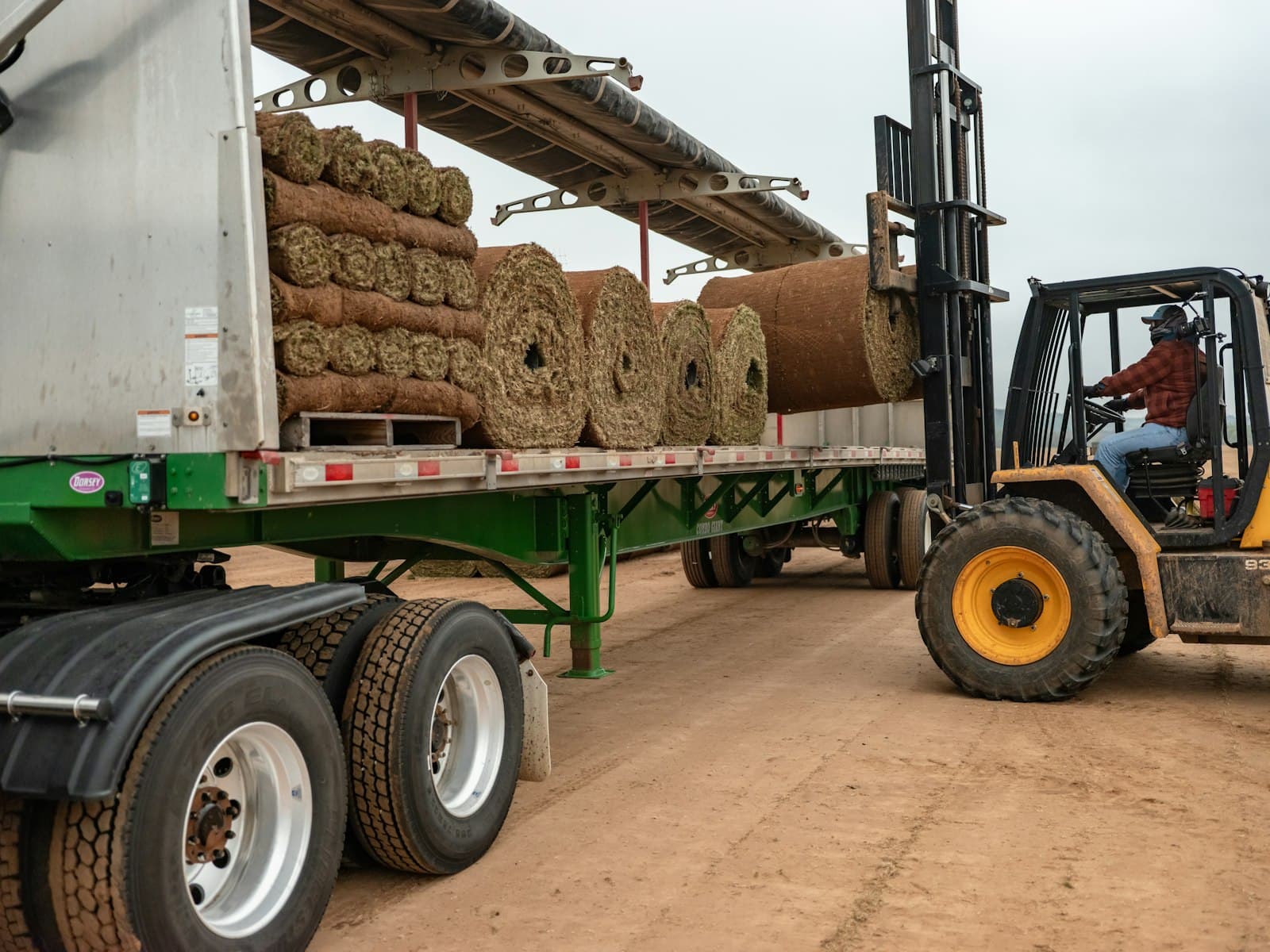
Flatbed carries the highest published linehaul average of the common trailer types, and it earns it. You are not just driving — you are strapping, chaining, corner-boarding, and throwing tarps in whatever weather the yard has that morning. That work takes an hour or two per load and it is physically expensive.
The market is seasonal in a way dry van is not. Construction, steel, and building materials drive it, so it softens through winter in the north and runs hot through the building season. A flatbed carrier who does not adjust lanes seasonally spends February wondering where the freight went.
Backhauls are genuinely thinner than dry van. There are fewer flatbed loads in total, and a lot of them originate at mills, yards, and plants that are not near each other. Planning a flatbed week is a different exercise from planning a van week, and pretending otherwise is how carriers end up deadheading three hundred miles to a load that barely covers the fuel.
What we do on this equipment
Specific to this trailer, not a generic dispatch checklist.
- Negotiate tarp pay as a separate line item — commonly $50 to $150 depending on the load — rather than letting it disappear into linehaul.
- Confirm securement requirements and who supplies the tarps, straps, chains, and corner boards before you commit.
- Work the seasonal lanes deliberately: steel and building materials through the season, and a different plan for the winter months.
- Check load dimensions against your deck and your permits before booking, not at the yard.
- Push back on loads that expect crane-free self-loading without saying so on the confirmation.
Where the money leaks
The charges and disputes specific to this trailer type.
- Tarp pay folded into linehaul
- A broker who offers a good rate per mile and expects two tarps is offering a worse rate than it looks. Tarping is billable work and it is billed separately in a healthy market.
- Over-dimensional creep
- A load described as legal that turns out to be 8'9" wide needs a permit and possibly an escort. That cost and that delay belong to whoever misdescribed it.
- Securement liability
- Federal cargo securement rules put the load on you at roadside, whoever loaded it. If a shipper loads it wrong, that is a conversation to have in the yard, not at a scale.
On rates for this equipment
Flatbed posts the highest national linehaul average of the three trailer types with published data, and the gap widens further when fuel surcharge is included.
Related
Where to read more.
Rate negotiation
Brokers open low because opening low works. We negotiate against market data, in writing, on every load.
Truck dispatching
We work your lanes, plan the week as a whole, and put loads under you that make sense together.
What rate per mile actually means, and why the number you quote is probably wrong
Linehaul, fuel surcharge and all-in are three different numbers. Mixing them up means negotiating badly and comparing dispatchers badly.
Cutting deadhead without taking bad loads
Empty miles cost fuel and hours and earn nothing. But chasing zero deadhead makes carriers accept cheap freight. Here is how to think about the trade properly.